


-
 By:
Valerie Puffenberger, PMHNP-BC
By:
Valerie Puffenberger, PMHNP-BC -
Editor:
Phyllis Rodriguez, PMHNP-BC
-
Clinical Reviewer:
Dr. Ash Bhatt, MD, MRO
 By:
By:
 Editor:
 Clinical Reviewer:
Fentanyl is the leading cause of fatal drug overdose in the United States. In 2022, Fentanyl was involved in more than 72,000 overdose-related deaths, and the problem is getting worse. In 2023, the state of California alone seized enough fentanyl to kill the entire population of the world “nearly twice over.”
To prevent further fentanyl-related deaths, it is critically important that you are aware of how to recognize the signs of fentanyl use and overdose.
Read more to find out what fentanyl is, and the signs of fentanyl use, addiction, and overdose.
Quick Signs of Fentanyl Use
- Pinpoint pupils
- Unusual drowsiness or “nodding off”
- Slow or shallow breathing
- Slurred or slowed speech
- Sudden mood or behavior changes
- Pale or bluish lips and fingertips
If you’re seeing several of these at once, don’t wait—get medical help immediately.
What Is Fentanyl and Why Is It So Dangerous?
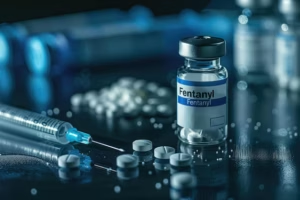
Fentanyl is an incredibly powerful man-made opioid. Although fentanyl is chemically similar to morphine and heroin, it is about 100 times stronger than morphine and 50 times stronger than heroin.
Fentanyl is a legal prescription drug that is used as an anesthetic and analgesic (pain killer). Brand names for prescription fentanyl include Actiq, Duragesic, and Sublimaze. However, fentanyl is commonly misused and is illegally manufactured and imported for this purpose.
Tragically, fentanyl abuse is on the rise in the United States. The number of fatal fentanyl overdoses grew by 279% between 2016 and 2021, and every year since has seen that number grow. Fatal overdose rates for male victims are about 2.5 times higher than those for female victims.
10 Warning Signs of Fentanyl Use

There are some common or especially telling signs of fentanyl use that you should be aware of. It is important to note that these symptoms can apply to someone who purposefully or unknowingly took fentanyl (for example, someone who unknowingly took a drug that was laced with fentanyl).
Here are 10 warning signs someone could be on fentanyl:
- Sudden Changes in Behavior/Mental State: Fentanyl use can cause extreme mood swings, unexplained aggression, sudden lethargy, and erratic behavior.
- Isolation and Withdrawal: Fentanyl can make users want to be alone because of the effects of the drug or feelings of shame over substance use.
- Financial Issues: The high cost of obtaining fentanyl can cause financial issues and ultimately, loss of employment. This often takes the form of unexplained financial strain and frequent borrowing of money.
- Neglect of Responsibilities: Fentanyl use can lead to a neglect of personal, professional, familial, financial, and legal responsibilities, including declines in performance, absenteeism, or lack of interest in previously enjoyed activities.
- Physical Appearance Changes: Fentanyl use can cause immediate changes like pinpoint pupils, slurred speech, and impaired coordination. Long-term changes include weight loss, deterioration in personal hygiene, and a general decline in physical appearance.
- Drug Paraphernalia: Paraphernalia associated with fentanyl use may include syringes, needles, burnt spoons, empty prescription bottles, and small plastic bags.
- Medical Issues: Fentanyl use can lead to respiratory issues, dizziness, and falling asleep unexpectedly. Medical attention should be sought immediately if these fentanyl signs and symptoms are present.
- Unpredictable Sleep Patterns: Insomnia, excessive drowsiness, and erratic sleep patterns are indicative of fentanyl misuse.
- Cognitive Signs: An inability to concentrate, cognitive impairment, memory lapses, and impaired judgment are all signs of fentanyl use.
- Track Marks or Injection Sites: People who inject fentanyl often have visible track marks or injection sites on the arms, between the toes, or on other body parts.
Signs of Fentanyl Overdose
Recognizing an overdose quickly can save a life.
- Extreme drowsiness or unconsciousness
- Slow, shallow, or stopped breathing
- Pinpoint pupils
- Cold, clammy skin
- Limp body
- Blue or pale lips and fingertips
- Inability to wake the person
Dial 911 if you see someone exhibiting these signs of fentanyl overdose.
What To Do During a Fentanyl Overdose
- Call emergency services immediately
- Administer naloxone (Narcan) if available
- Keep the person breathing and responsive
- Lay them on their side to prevent choking
- Stay with them until help arrives
Naloxone (Narcan) Saves Lives
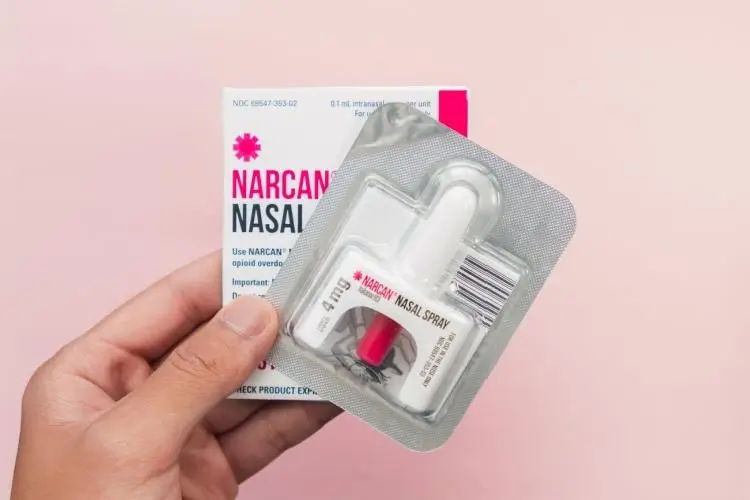
One study found bystanders were present in more than 33% of overdoses from opioids. If you find yourself in this scary situation, you can save a life as long as you have the proper tools.
Naloxone (Narcan) is a life-saving medication that can reverse an opioid overdose, including a fentanyl overdose. Naloxone is available to anyone—no prescription or medical training required. It has two forms: a nasal spray and an injectable form. Both are safe and effective at saving lives.
Naloxone is not harmful if an individual is not overdosing or if they are overdosing on drugs other than opioids. So, it is always better to use Naloxone if you think someone could be overdosing on fentanyl, even if you’re not 100% certain.
You can get naloxone for free in all 50 states. Doctors frequently co-prescribe naloxone along with high-potency opioids, but you can also get naloxone at pharmacies, community-based naloxone programs, and most syringe service programs.
Signs of Fentanyl Addiction
Fentanyl addiction is a medical condition involving physical dependence and compulsive use.
Common signs include:
- Needing more fentanyl to feel the same effects
- Withdrawal symptoms (anxiety, nausea, sweating)
- Spending significant time obtaining or using fentanyl
- Continuing use despite negative consequences
- Failed attempts to quit
- Loss of interest in daily activities
- Social isolation or secrecy
- Declining physical health
If you recognize these signs, professional help is essential.
Short- and Long-Term Effects of Fentanyl Use

Short-Term Effects
- Euphoria and relaxation
- Confusion or dizziness
- Nausea and vomiting
- Low blood pressure
- Extreme sedation
- Respiratory depression
- Risk of overdose
Long-Term Effects
- Physical dependence and addiction
- Organ damage (heart, liver, kidneys)
- Cognitive impairment
- Weakened immune system
- Relationship and work disruption
- Legal consequences
What to Do If You Think Your Loved One Is Addicted to Fentanyl

Because fentanyl is so deadly, you must take action immediately if you think your loved one is suffering from a fentanyl addiction. Otherwise, their life may be at risk.
Here are some steps you can take if you have recognized the signs of fentanyl use in your loved one.
- Educate yourself about fentanyl addiction.
- Research available treatment options.
- Choose a calm and private time and place to have a conversation.
- Express your concerns in a supportive and non-judgmental manner.
- Remain compassionate and refrain from placing blame.
- Encourage professional help.
- Discuss finances, insurance, and other potential barriers to treatment.
- Avoid enabling behavior.
- Set clear, healthy boundaries and rules and enforce them with consequences.
- Host a professionally-mediated intervention with family and friends.
- Help them find and attend a rehab program.
- Participate in their treatment where appropriate, including family therapy.
- Provide active, appropriate, and healthy support during their recovery.
- Actively practice self-care, and seek support if necessary.
- Be patient and aware that setbacks are a part of the recovery process.

Don’t Wait to Get Help
Fentanyl continues to take thousands of lives each year—but early action can save one.
Legacy Healing is dedicated to helping people overcome fentanyl addiction using our holistic approach that treats the mind, body, and soul. We use the right psychotropic medications, cutting-edge clinical therapies, and a compassionate community of like-minded individuals to help people find sobriety and live the life they deserve.
Call 888-534-2295 today to speak with a treatment staff member about how we can help your loved one break free from fentanyl.