


Signs of a Functioning Alcoholic
-
 By:
Valerie Puffenberger, PMHNP-BC
By:
Valerie Puffenberger, PMHNP-BC
-
 Editor:
Phyllis Rodriguez, PMHNP-BC
Editor:
Phyllis Rodriguez, PMHNP-BC
-
 Clinical Reviewer:
Dr. Ash Bhatt, MD, MRO
Clinical Reviewer:
Dr. Ash Bhatt, MD, MRO
If you are dating a functioning alcoholic, know the signs of alcohol use disorder and when she or he needs help.
Are you wondering what the term functioning alcoholic means? A functional alcoholic is someone who appears to manage daily responsibilities—such as work, family obligations, and social life—despite having an alcohol dependency. This subtle form of alcohol dependency is often referred to as functional alcoholism.
Understanding Functional Alcoholism
The reality is, most people who deal with an alcohol addiction issue do not experience the stereotypical problems. Functional alcoholism is often hidden due to the normalization of drinking culture and the individual’s ability to fulfill family obligations and maintain relationships. Many are, in fact, functioning alcoholics, able to manage many different areas of their life despite their drinking habits.
High-functioning alcoholics often depend on alcohol as a coping mechanism for stress, anxiety, or other emotional issues. Even with high functioning alcoholic symptoms, many people can hold a steady job, have a solid relationship, and tend to other daily responsibilities. Many who fall into this category will actually excel in these areas of life. This ability to fulfill responsibilities and maintain family life can mask an underlying alcohol problem.
Denial is a common psychological factor in high-functioning alcoholism. Many high-functioning alcoholics rationalize their drinking as normal or necessary for their success. Because they seem to be “keeping it all together” when it comes to life responsibilities, it is usually difficult for a functioning alcoholic to admit or recognize they have a problem with alcohol.
Only when a major event occurs—such as a severe health issue or an issue with their employer or relationship—will they possibly take their constant cravings for alcohol or need to drink seriously. The ability to maintain a façade of normalcy can delay recognition of the problem, and the decline in mental and physical health is often gradual.
It is important to note that “functioning alcoholic” is not a medical diagnosis, but individuals may still meet clinical criteria for alcohol use disorder. There are risk factors for developing functional alcoholism, such as family history of addiction or chronic stress.
Common Signs of a Functioning Alcoholic
Recognizing the signs can help you identify functional alcoholism in yourself or others. Here are some common indicators:
- Rationalization of drinking habits, making excuses or explanations for drinking.
- High tolerance to alcohol, consuming large amounts without appearing intoxicated.
- Drinking patterns such as abstaining during the week but binge drinking on weekends.
- Blackouts and memory lapses on a regular basis.
- Withdrawal symptoms like agitation or discomfort when unable to drink.
- Setting limits on drinking but failing to follow through.
- Drinking alone or hiding alcohol.
- Frequent hangovers and high stress levels.
- Preoccupation with the next drink or events where alcohol will be available.
- Difficulty setting or sticking to boundaries regarding alcohol consumption.
- Mood swings and irritability when sober compared to when drinking.
- Lying about the amount of alcohol consumed.
- Finding hidden bottles of alcohol.
Despite appearing functional, these individuals may meet clinical criteria for alcohol use disorder due to their alcohol misuse. High-functioning alcoholics may also become defensive when questioned about their drinking habits.
Additional Signs and Consequences
While high-functioning alcoholic symptoms don’t always overlap fully with alcohol use disorder symptoms, some common consequences include:
- Insomnia and sleep disturbances.
- Changes in mood or attitude.
- Decline in cognitive abilities.
- Tremors or shaking due to withdrawal.
- Anxiety and nervousness.
- Decline in performance at work or school.
- Drinking at inappropriate times or places.
- Increased absenteeism or skipping responsibilities.
- Physical signs such as bloodshot eyes or unexplained fatigue.
- Gastrointestinal problems often ignored to continue drinking.
Chronic alcohol use can lead to serious health complications, including an increased risk of certain cancers and memory problems. High-functioning alcoholics may experience significant personality changes when consuming alcohol, affecting relationships and behavior. They may prioritize alcohol over responsibilities, leading to neglect in personal and professional areas of life.
The hidden nature of functional alcoholism can delay recognition and prevent individuals from seeking the help they need. Functioning alcoholics may not experience immediate severe consequences, resulting in delayed help-seeking until a crisis occurs. This allows damage to physical health and emotional well-being to accumulate over years.
How to Offer Help
Whether you are dating, friends with, or related to a functioning alcoholic, offering help requires vigilance and compassion. Many functioning alcoholics remain in denial because their life appears to be operating smoothly.
- Educate yourself and the individual in a nonjudgmental way about how their drinking affects their health and livelihood.
- Consider staging an informal intervention with loved ones and a trained addiction counselor.
- Avoid ultimatums to stop drinking cold turkey, as this can cause life-threatening withdrawal symptoms.
- Encourage seeking professional help for detox and rehabilitation.
Reach out to the addiction specialists at Legacy Healing Center to learn more about functioning alcoholics and how detox and rehabilitation can help. Call us today at 888-597-3547.
Physical Health Consequences of Heavy Drinking
High-functioning alcoholics often keep up with daily responsibilities, but the physical health consequences of heavy drinking can be severe and insidious. Even when someone appears in control of their professional life and family commitments, excessive drinking can silently damage the body in profound ways.
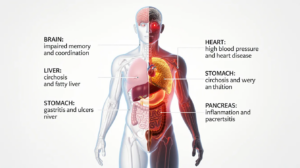
Frequent alcohol consumption puts high-functioning alcoholics at higher risk for serious health complications including:
- Liver disease
- Cardiovascular issues
- Neurological damage
- Pancreatitis and gastritis
- Certain types of cancer
- Weakened immune system
Many functioning alcoholics may not notice these problems initially, as effects build gradually. Heavy drinking can interfere with nutrient absorption, leading to malnutrition and further compromising health. Sleep disturbances are common and worsen both physical and mental well-being.
Because high-functioning alcoholics often maintain outward appearances, warning signs of alcohol-related health issues can go unnoticed by themselves and loved ones. This hidden struggle makes the damage more dangerous, continuing unchecked until a serious medical issue arises.
The Importance of Professional Treatment
Seeking professional help is crucial for anyone struggling with alcohol dependence, regardless of how well they appear to manage daily life. Treatment for high-functioning alcoholics typically involves a comprehensive approach addressing both physical and mental health.
- Medical professionals manage withdrawal symptoms safely.
- Counseling and support groups provide healthier coping mechanisms.
- Strategies to identify triggers and prevent relapse are taught.
Family members and friends should recognize that high-functioning alcoholics are at risk for severe consequences even if they don’t show obvious signs. Encouraging a loved one to seek professional help is an act of care and support, not judgment.
Remember, struggling with alcohol addiction is not a weakness. With the right treatment and support, high-functioning alcoholics can overcome dependence, maintain sobriety, and achieve a healthier, alcohol-free life. Taking the first step toward recovery can make all the difference in protecting physical health and overall well-being.