

What is Hydrocodone?
-
 By:
Valerie Puffenberger, PMHNP-BC
By:
Valerie Puffenberger, PMHNP-BC
-
 Editor:
Phyllis Rodriguez, PMHNP-BC
Editor:
Phyllis Rodriguez, PMHNP-BC
-
 Clinical Reviewer:
Dr. Ash Bhatt, MD, MRO
Clinical Reviewer:
Dr. Ash Bhatt, MD, MRO
Hydrocodone is often used as a pain reliever for severe pain but it can also be addictive
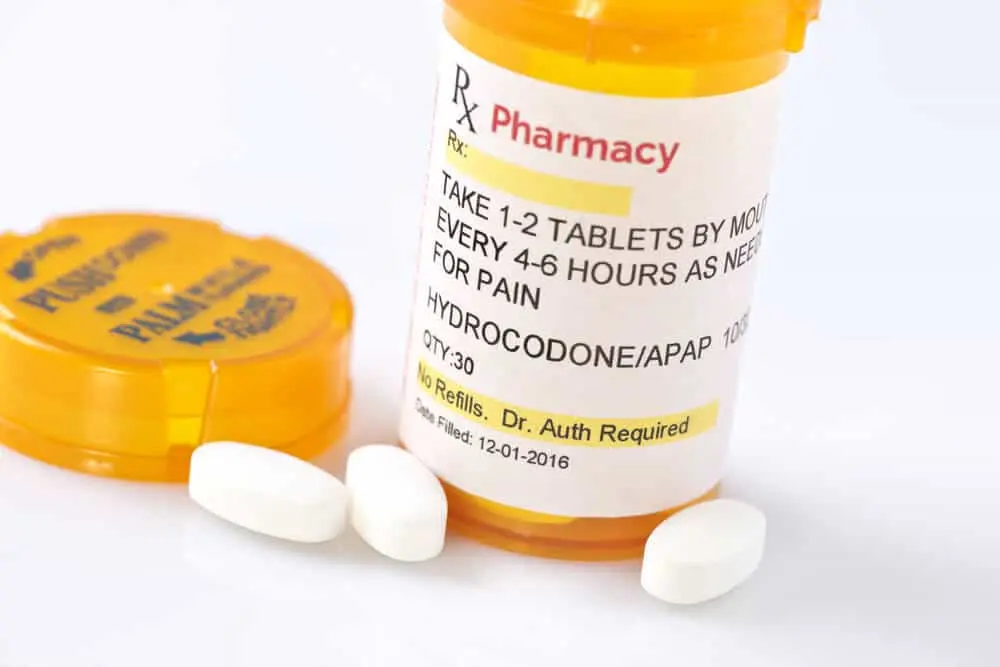
Maybe you have heard of it before, but what is Hydrocodone? Hydrocodone is a pain medicine that is prescribed to relieve pain. Hydrocodone is a semisynthetic opioid often prescribed to manage moderate to moderately severe pain and is commonly found in combination with acetaminophen or ibuprofen (hydrocodone acetaminophen) to treat pain.
Hydrocodone/acetaminophen is typically prescribed for the relief of moderate to moderately severe pain, especially after surgery or injury. Hydrocodone/acetaminophen is available in various dosages and formulations, including liquid solution, capsule, and tablet form, and the dosage of Hydrocodone Acetaminophen 5-325 refers to 5 mg of hydrocodone and 325 mg of acetaminophen per tablet.
Hydrocodone comes as an extended-release capsule and an extended-release tablet to take by mouth. Hydrocodone extended-release capsules should be taken once every 12 hours, while extended-release tablets should be taken once daily. Both extended-release capsules and extended-release tablets should be swallowed whole and not crushed or broken, as improper handling can increase the risk of overdose.
It is a part of the opiate class of medications because of how it changes the way the nervous system responds to pain. Hydrocodone works by binding to opioid receptors in the brain and spinal cord, blocking the transmission of pain signals and changing the way the brain and nervous system respond to pain. Because hydrocodone is an opioid, it can be addictive and the side effects of hydrocodone can be severe if it is taken over prolonged periods of time. Hydrocodone is classified as a Schedule II controlled substance due to its high potential for addiction and misuse, and is habit forming.
Hydrocodone misuse can lead to drug abuse and fatal opioid overdose, especially when combined with other CNS depressants. Taking hydrocodone with alcohol or other sedating medications can increase the risk of fatal overdose. Taking certain medications, drinking alcohol, or using street drugs while you are taking hydrocodone may increase the risk that you will experience breathing problems, sedation, coma, or other serious, life-threatening side effects. Hydrocodone may cause slowed or stopped breathing, especially during the first 24 to 72 hours of treatment and any time your dose is increased. If you experience symptoms of an overdose, seek emergency medical help immediately.
You should take hydrocodone exactly as directed by your doctor, and if you miss a dose, skip the missed dose and continue your regular dosing schedule. Your doctor may adjust your dose of hydrocodone based on your pain control and side effects experienced. Read the Medication Guide provided by your doctor or pharmacist when you start treatment with hydrocodone. Keep hydrocodone in a safe place to prevent accidental use by others, especially children, and hydrocodone should be stored securely, out of reach of children, at room temperature between 68 F to 77 F (20 C to 25 C). Prescription for hydrocodone cannot be refilled; a new prescription is required each time. Hydrocodone use is restricted to individuals aged 18 and older according to FDA regulations. Patients require frequent monitoring for signs of addiction, abuse, and respiratory depression, particularly in the first 24-72 hours.
Common side effects of hydrocodone include constipation, nausea, dizziness, sedation, and mental clouding. Using hydrocodone while pregnant may cause neonatal withdrawal syndrome in newborns, which can be life-threatening. Treatment for hydrocodone addiction often includes medication-assisted treatment (MAT) combined with behavioral therapy.
The Drug Enforcement Administration (DEA) regulates hydrocodone and works to prevent drug abuse and diversion of this medication.
Continue reading to learn more about what is hydrocodone and its side effects and possible withdrawal, if severe enough.
How Hydrocodone Works
Hydrocodone is a powerful opioid analgesic designed to relieve moderate to severe pain by altering the way your body senses discomfort. As a semi-synthetic medication derived from morphine and codeine congeners, hydrocodone works by binding to specific opioid receptors—particularly delta opioid receptors—in the brain and spinal cord. This action blocks pain signals from reaching the brain, providing effective pain relief for conditions like chronic pain, muscle pain, and other types of moderately severe pain.
When hydrocodone enters the body, it not only helps to relieve pain but also impacts the central nervous system. This can lead to side effects such as respiratory depression, shallow breathing, and even low blood pressure, especially if the medication is not taken exactly as prescribed. Because hydrocodone slows down certain functions in the body, trouble breathing or difficulty breathing can occur, particularly when combined with other CNS depressants or muscle relaxants.
Physical dependence can develop with regular use of hydrocodone, even when taken at the prescribed dose. If someone stops taking the medication suddenly, withdrawal symptoms may appear, including stomach cramps, runny nose, and muscle spasms. These symptoms are signs that the body has become accustomed to the presence of opioid medications and is adjusting to their absence.
Hydrocodone also carries a risk of overdose, which can be life-threatening. Signs of hydrocodone overdose include slow or shallow breathing, unusual tiredness, and dangerously low blood pressure. In severe cases, a fatal hydrocodone overdose can occur, especially if the drug is misused or taken in combination with other substances. If an overdose occurs, it is critical to seek immediate medical attention and contact a poison control center.
Because hydrocodone is classified as a schedule II drug, it has a high potential for abuse and addiction. Recreational opioid users and those with a history of opioid use disorder are at increased risk for developing problems related to hydrocodone. To reduce the risk of misuse, always store hydrocodone securely and dispose of any unused medication properly.
For those struggling with opioid use disorder, medication-assisted treatment and other forms of opioid treatment can provide support and reduce the risk of fatal overdose. Always consult with your healthcare provider before making any changes to your medication regimen, and never take double or extra doses.
Hydrocodone can be an effective tool for managing pain when used responsibly under the guidance of a pain physician. However, understanding how this medication affects the brain and spinal cord, and being aware of the risks, is essential for safe and effective pain management.
What is Hydrocodone Acetaminophen – Side Effects and Uses
Common uses for hydrocodone is for pain as well as fibromyalgia, lower back pain, general back pain, and muscle pain.
It can also be combined with non-opioid pain relievers to work even harder to alleviate pain. Acetaminophen, when combined with hydrocodone, works by blocking pain signals in the brain to help reduce discomfort. Although this is a medication that can be helpful for those who have continuous pain, it can also cause addiction and that possibility can arise if there is a substance abuse disorder present.
It’s important to take the medication as prescribed and speak to your doctor about any concerns related to taking the medication. Be sure to discuss all other medications you are taking, as drug interactions with hydrocodone/acetaminophen can affect how the medicine works or increase the risk of side effects.
Side effects of hydrocodone may appear and if any of them become severe, a doctor should be advised.
Some of the side effects of hydrocodone can even be like hydrocodone withdrawal depending on the length of time with the medicine and possible dependency.
Here is a list of some side effects of hydrocodone:
- Pain in the stomach (stomach pain, which can indicate serious complications)
- Dry mouth
- Tiredness
- Headache
- Pain in the back
- Muscle tightening
- Difficult, painful or frequent urination
- Ringing in the ears
- Problems falling asleep
- Problems staying asleep
- Swelling in the feet, legs or ankles
- Shaking in parts of the body that is uncontrollable
- Allergic reaction (such as rash, swelling, or trouble breathing; seek immediate medical attention)
- Liver damage (especially from the acetaminophen component; watch for yellowing of the skin or eyes, dark urine, or upper right abdominal pain)
- Opioid induced hyperalgesia (increased sensitivity to pain)
- Serotonin syndrome (rare, but possible when combined with other serotonergic drugs; symptoms include agitation, hallucinations, rapid heartbeat, fever, sweating, confusion, and loss of coordination)
On the other hand, other side effects of hydrocodone can be severe and if any of these symptoms appear, it’s important to seek medical treatment immediately. The symptoms are:
- Problems swallowing or breathing (breathing problems, which can be life-threatening)
- Lung problems (hydrocodone can cause or worsen lung issues, especially in people with respiratory conditions)
- Itching
- Hives
- Changes in heartbeat
- Hoarseness
- Swelling in the eyes, face, lips, tongue or throat
- Decreased sexual desire
- Irregular menstruation
- Inability to get an erection, or keep one
- Nausea, vomiting, loss of appetite
- Weakness
- Dizziness
- Agitation
- Hallucinations
- Fever
- Sweating
- Confusion
- Loss of coordination
- Chest pain
The more severe side effects may be more than one at a time and if they are noted, seeking medical help is the best bet to ensure that all is ok.
It is possible to overdose on hydrocodone and because of this possibility, individuals taking the medication may be asked to carry naloxone with them which is a treatment for overdose.
If someone is taking this medication, it’s important for those around them to be aware that they are taking it in case of emergency. If an individual was to overdose, it’s possible to note the following symptoms:
• Slowed breathing • Sleepiness • Weakness in the muscles • Cold, clammy skin • Narrowed or widened pupils • Slow heartbeat • Coma
Signs of an overdose include change in consciousness, cold, clammy skin, difficult or trouble breathing, irregular, fast or slow, or shallow breathing, loss of consciousness, nausea or vomiting, and pale or blue lips.
What is Hydrocodone – Hydrocodone Withdrawal Symptoms
Hydrocodone withdrawal is possible but rarely life-threatening. Hydrocodone withdrawal is a type of opioid withdrawal, sharing similar symptoms, risks, and management strategies as withdrawal from other opioids. Experiencing hydrocodone withdrawal can oftentimes show that there is an abuse of the substance or a disorder.
Hydrocodone causes symptoms of withdrawal that are similar to other types of opioids and can cause physical and psychological pain. The intensity of the withdrawal is based directly on the type of addiction or frequency of use and overall health of the individual.
Opioid withdrawal, including hydrocodone withdrawal, can cause cramping in the abdomen as well as insomnia, anxiety, diarrhea, sweating, and nausea. Management of opioid withdrawal often involves supportive care and, in some cases, medications to ease symptoms and reduce complications. The positive side or silver lining of withdrawal from hydrocodone is that it is a short-acting medication which means that although the withdrawal is felt sooner, it also goes away more quickly.
If someone you know, or love, is experiencing troubles with opioids, seeking help is a great way to help them.
Call Legacy Healing Center today at 888-534-2295 to learn more about our addiction programs.